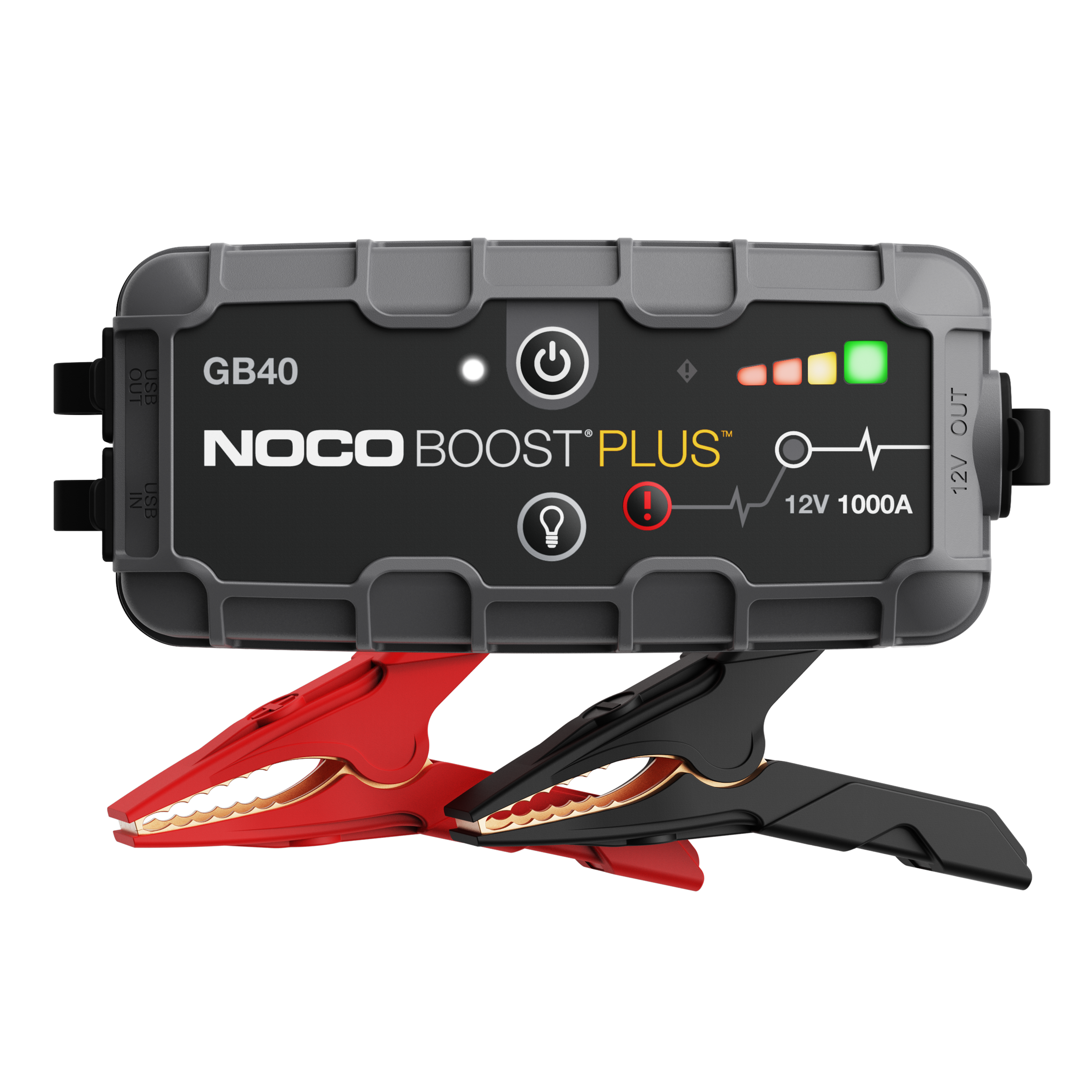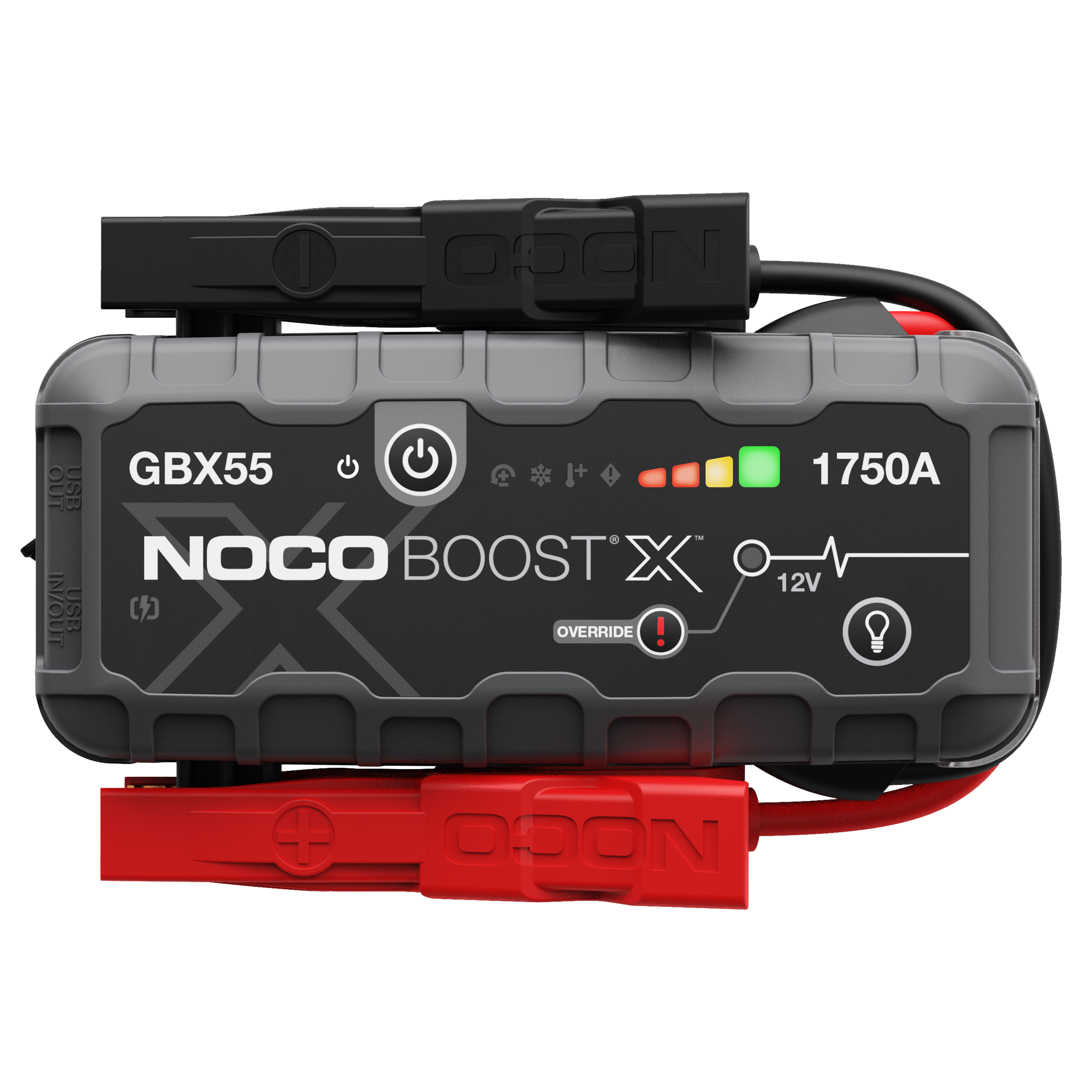
How to Jump Start Your Vehicle
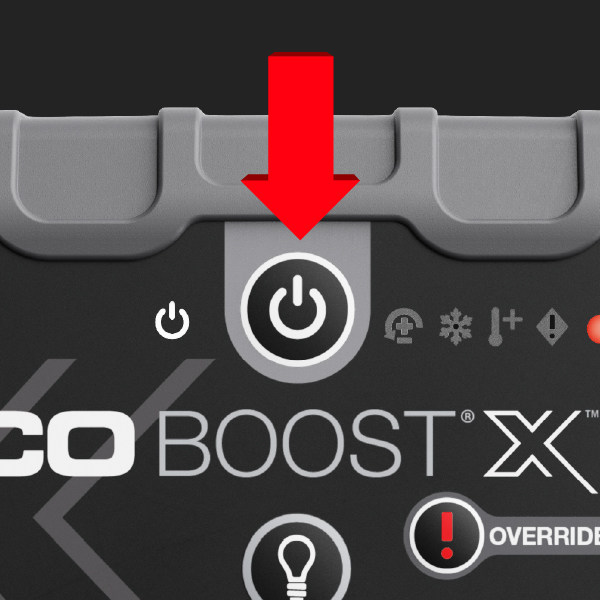
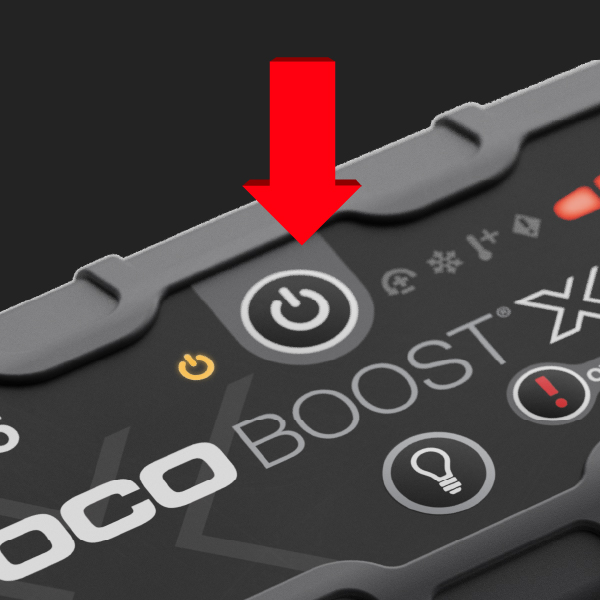
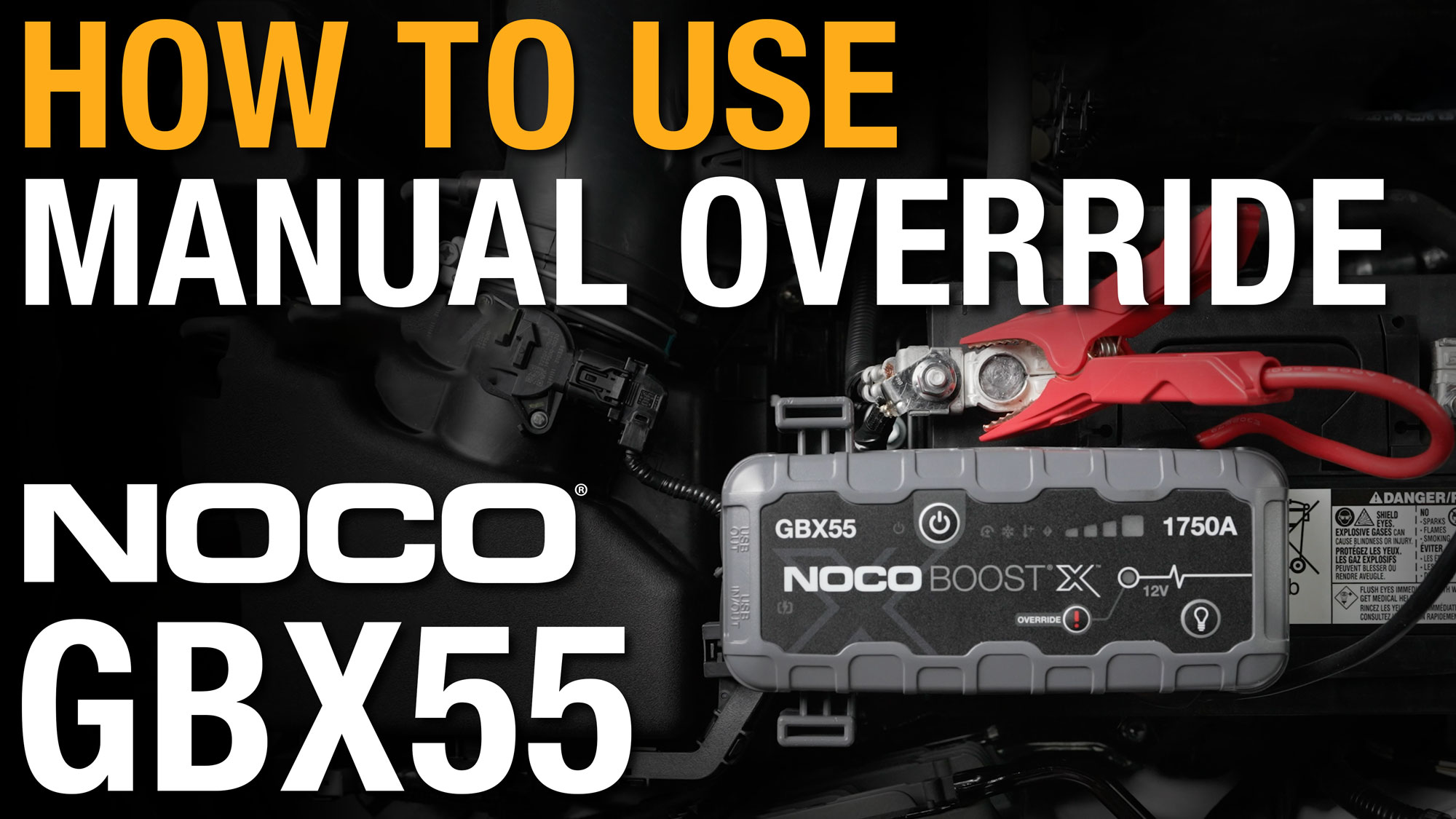
Note: If your car does not start or your LEDs do not chase, your battery may be reading under 2V, which is too low for the standard process to detect a safe connection. In this case, NOCO Boost's manual override mode can help — but use it with caution and make sure you fully understand how it works before attempting it. Instructions vary by device model, so check the manual override guide specific to your NOCO Boost.
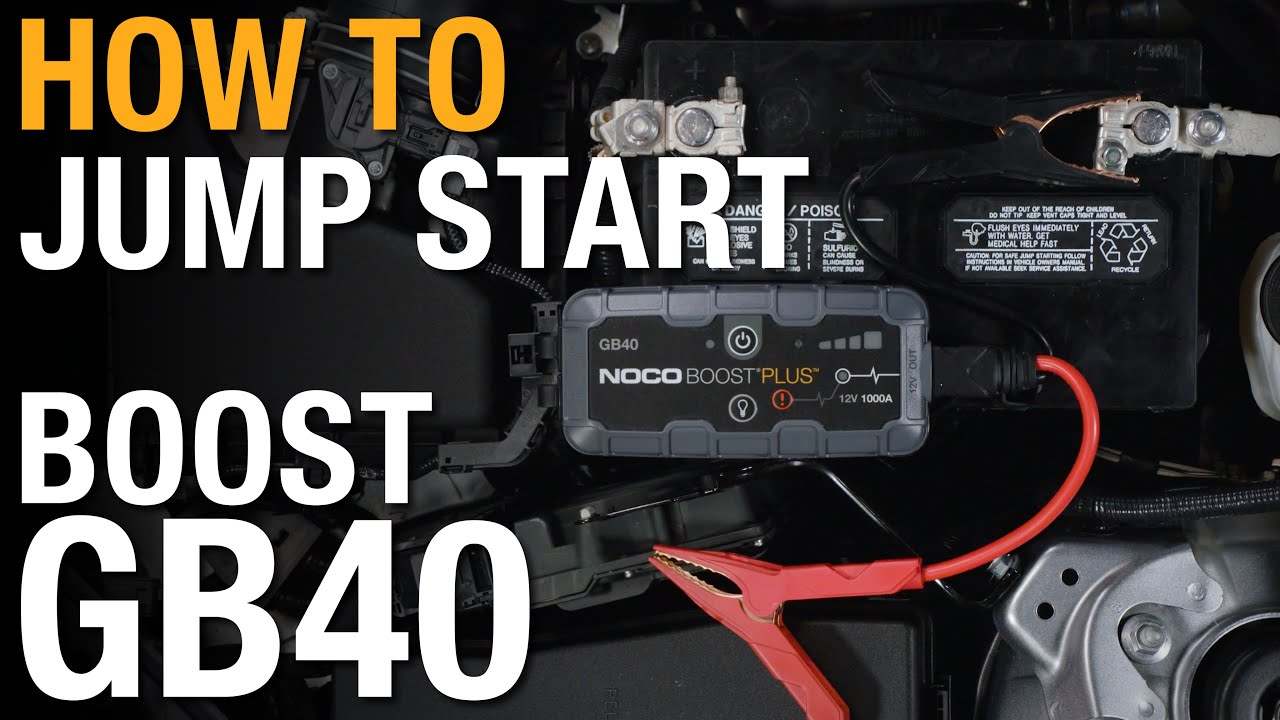
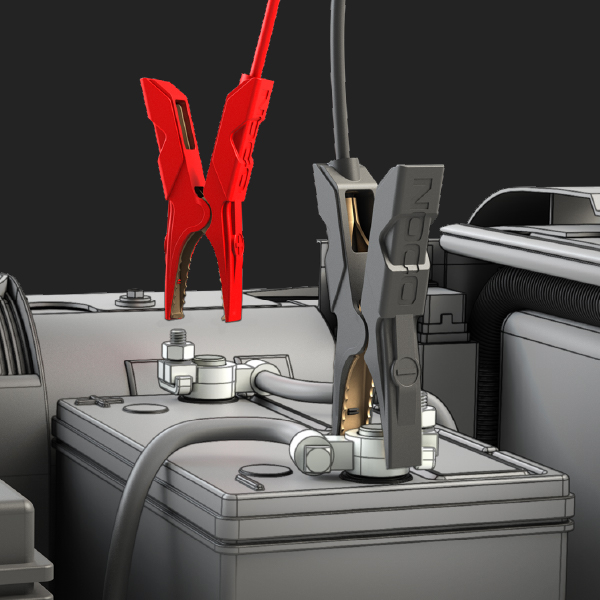
Connecting the positive terminal first, followed by the negative, is the safest way to jump-start a battery. Leaving the negative clamp disconnected is generally safe because if it accidentally touches the vehicle chassis, it's only contacting ground. Once both clamps are connected to one battery, the opposite set becomes live, and accidentally touching them together can create a short circuit—unless you're using a safe lithium jump starter. Connecting the negative clamp first increases the risk of a short circuit, as the opposite clamp may already be touching a grounded surface.
You might want to connect to the chassis ground rather than the negative battery terminal, as it provides a more direct return path to the boost-assisted battery. As such, the return current does not have to travel through the dead battery's negative battery and battery cable and then to the jumper cable or jump starter. It can go directly from the chassis ground to the jumper cable or jump starter. A more direct return path allows for better current flow and less of a voltage drop.
Slightly revving the engine after a jump start will help the car's battery recharge faster. When your engine turns faster, the engine's alternator also turns faster. And when an alternator turns faster, it produces more electricity. And when it produces more electricity, the battery recharges faster. That being said, its also a good idea to let your vehicle run for 20-30 minutes after a jump start. An even better idea is connect the battery to a smart battery charger to completely recharge the vehicles battery. If you have a smart battery charger with a desolation or repair mode, I would highly recommend using that feature after jump starting a dead battery. The main purpose of desolation charge mode is to remove the sulfate that collected when the battery was discharged, and turn it back to active material again (or regained battery capacity).
If your car still does not start or your LEDs do not chase, your battery may be under 2V, which is too low for the standard process to detect. In this case, NOCO Boost's manual override mode can help — but use it with caution and make sure you fully understand how it works before attempting it. Make sure to check the manual override guide specific to your NOCO Boost, and read our Ultimate Manual Override Guide.