
How to Change a Tire
- Pull over somewhere safe. Turn on your hazard lights, and look for a flat, stable surface well away from traffic. Put the car in park and set the parking brake before doing anything else.
- Get the spare tire and tools ready. Pull out the spare, jack, and lug wrench. Loosen each lug nut slightly while the tire is still on the ground — it’s much harder to do once the car is lifted and the wheel can spin freely.
- Lift the car and remove the flat tire. Position the jack under the vehicle’s designated jack point (check your owner’s manual if you’re not sure where that is), and raise the car until the flat tire is fully off the ground. Remove the lug nuts, then pull the tire straight off.
- Put on the spare tire. Line up the spare with the wheel bolts and push it into place. Hand-tighten the lug nuts first — just enough to hold the tire — then lower the car back to the ground.
- Tighten the lug nuts and drive carefully. With the car back on the ground, use the lug wrench to fully tighten the lug nuts in a star pattern (tightening opposite nuts in sequence, rather than working around in a circle). This seats the tire evenly and helps prevent wobbling. Pack up your tools and the flat tire, then get to a repair shop as soon as possible to have the damaged tire fixed or replaced.
Note: Tightening lug nuts in order around the wheel can pull the tire on unevenly, since each nut you tighten shifts the wheel slightly before the next one is secured. Going opposite-to-opposite in the star pattern instead pulls the tire on flat and evenly from all sides — preventing a wobbly ride or, over time, a warped rotor.

GB40
GB40
MSRP: $124.95 You save 20%
$99.95
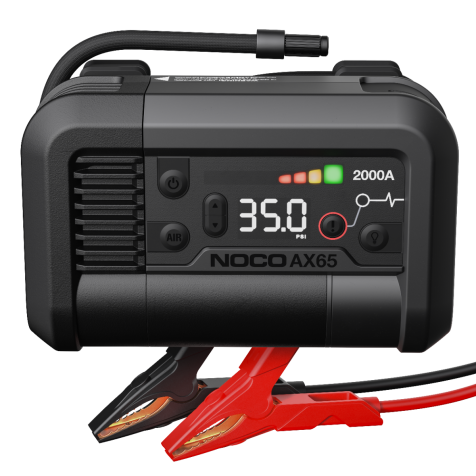
AX65
AX65
MSRP: $374.95 You save 20%
$299.95
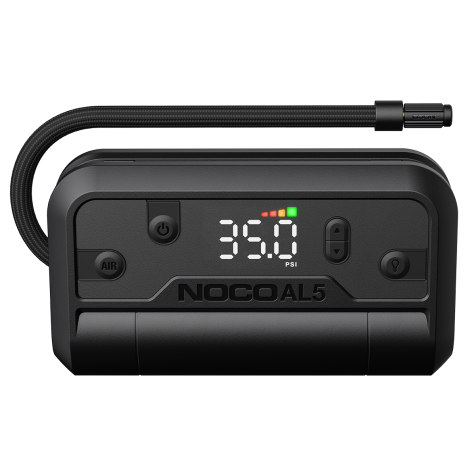
AL5
AL5
MSRP: $89.95 You save 22%
$69.95

GBC013
GBC013
MSRP: $25.95 You save 23%
$19.95