
Car Battery or Alternator: Where's the Problem?
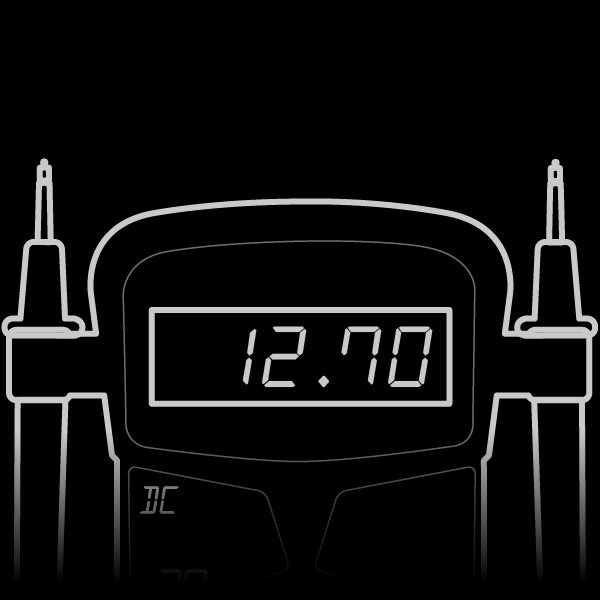
If your vehicle won’t start the problem probably lies somewhere within the two key parts its charging system: the battery or the alternator. If you take your vehicle to an auto parts store they may give you a new battery for a few hundred dollars, without running any tests. Don’t make this mistake! A faulty alternator could ruin a perfectly healthy battery, which would put you further back from a solution than where you started. Don’t fret as diagnosing your vehicle's electrical problem is so easy that anyone can do it by running these tests. For the tests you will need a multimeter which can be picked up at any auto parts store for as low as $5.
A vehicle’s battery has a shorter lifespan than its alternator, and thus is more likely to be the culprit of your problems. In order to potentially save yourself time, it is wise to test the battery prior to the alternator. Follow the steps below to safely test the status of your battery.
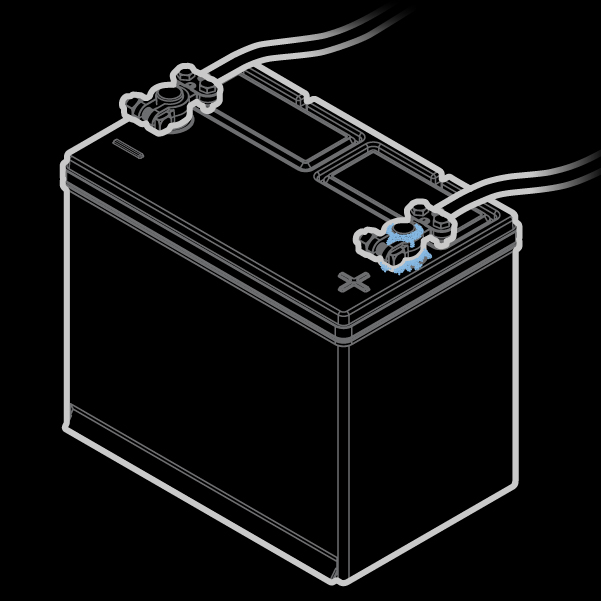

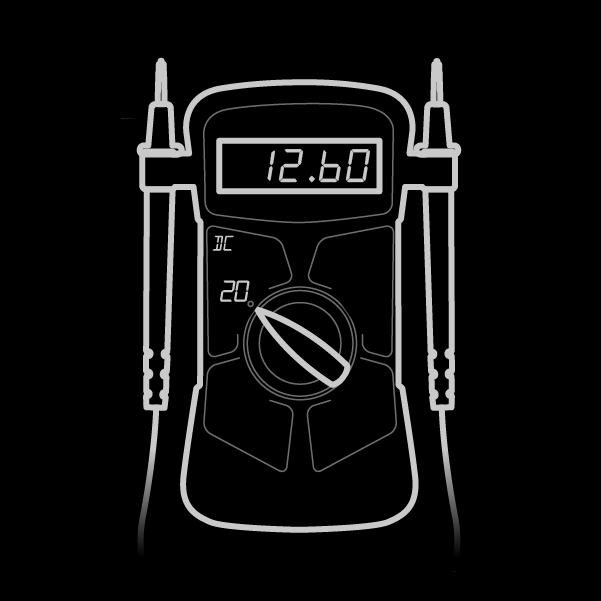

Alternators are used to charge your vehicle’s battery while the engine is running. Undercharging/overcharging of the battery, or just a flat out dead alternator could be the source of your issue. Before running the tests below, check to see if the power belt is tight around the alternator and is spinning while the engine is running. Additionally, inspect the wiring from the alternator to the battery for any signs of damage, loose wires, or misconnections. Check out the tests below to diagnose your vehicle’s alternator.
The standard test to check the health of your alternator.
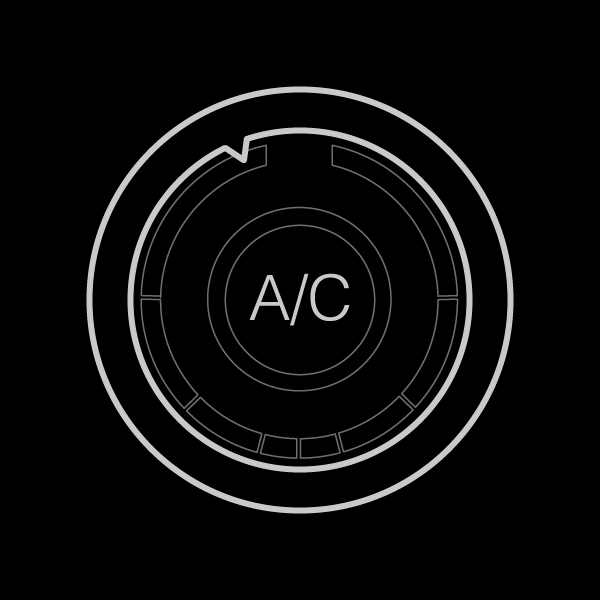
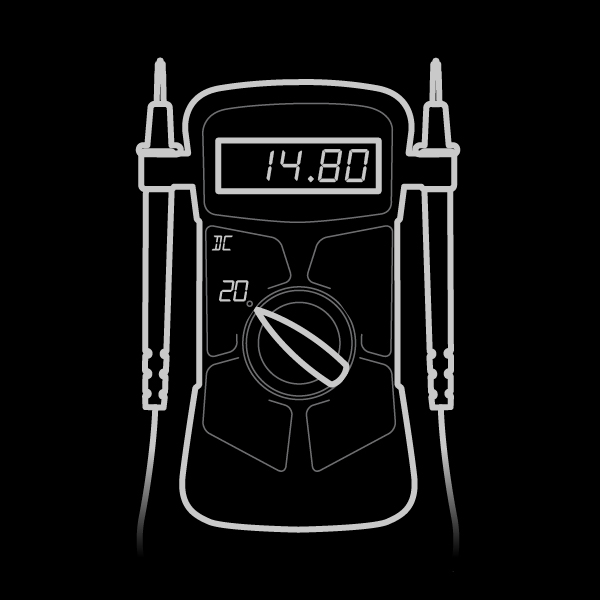
This is a quick test is for individuals without access to a multimeter.



Determining if it is the battery or the alternator at the root of your vehicle’s problem can be tricky. Hopefully by reading our guide you have been able to diagnose the issues with your vehicle. If you are still experiencing trouble, we recommend taking your vehicle into a trusted professional repair shop.